
Most Risk Registers Are Really Accountability Registers
Every unresolved risk eventually tells you something about how your organization makes decisions. Picture a risk register with one hundred open items. Some have been there for weeks. Others for

Every unresolved risk eventually tells you something about how your organization makes decisions. Picture a risk register with one hundred open items. Some have been there for weeks. Others for

Every unresolved cybersecurity decision creates a liability whose cost compounds over time. Like financial debt, security debt accrues interest through aging technology, expanding dependencies, accumulated exceptions, and deferred remediation. Organizations
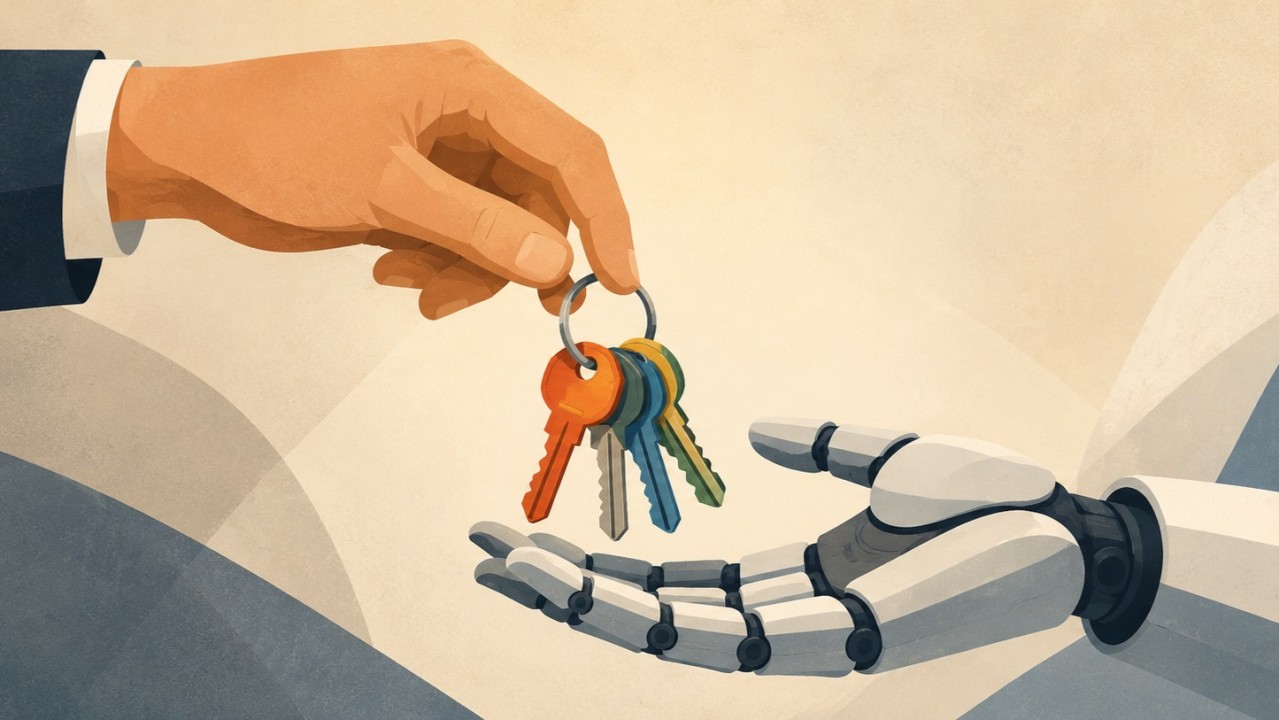
When AI can retrieve data, invoke tools, and take action, least privilege becomes part of AI architecture A financial-services organization deploys an AI assistant to answer customer questions. Engineering connects

Access Controls Grant Authority. Governance Decides Whether It Remains Justified. An engineer needs elevated production access. The organization has all the machinery one would expect: a PAM vault, defined roles,

Your Company Doesn’t Need NIST Controls, ISO Controls, and SOC 2 Controls It needs company controls. The frameworks should be views of them. An IAM team conducts a periodic access

In July 2026, Microsoft released patches for a record 570 vulnerabilities in a single Patch Tuesday. August followed with approximately 400 more, including 42 critical flaws and three zero-days affecting

A decade ago, software engineering faced a problem that looks remarkably familiar. Monitoring platforms confirmed that servers were running. They could tell you whether a service existed and was reachable.

Most Tech GRC programs still operate like audit traffic control. Evidence requests go out. Screenshots come back. Narratives get patched together. Remediation is tracked in spreadsheets. Everyone works harder as

Enterprise risk teams know how to assess a vendor. The questionnaires are long, the SOC 2 review is routine, and the approval machinery runs efficiently. When AI arrived, organizations extended